
Kedarnath – A Sacred Journey to the Abode of Lord Shiva
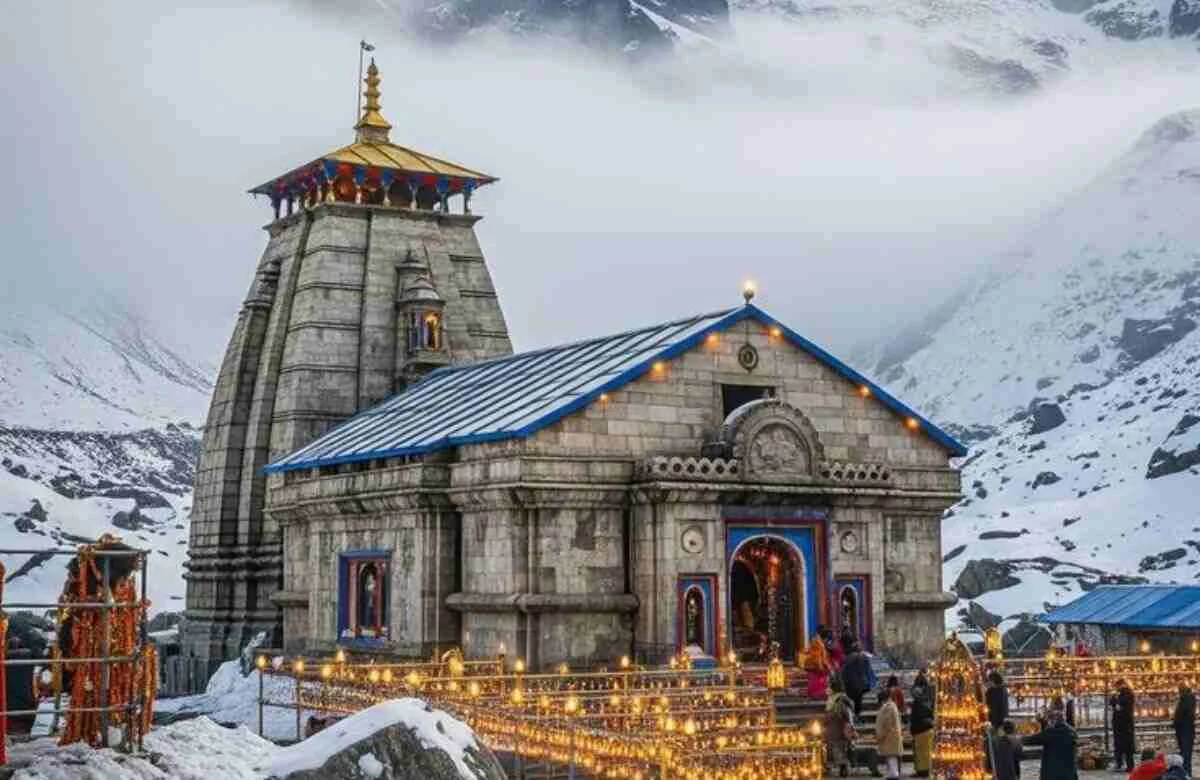
Kedarnath, nestled in the majestic Himalayas of Uttarakhand, is one of the most revered pilgrimage destinations in India and a key part of the Char Dham Yatra. Dedicated to Lord Shiva, the Kedarnath Temple stands at an altitude of approximately 3,583 meters, surrounded by snow-capped peaks and the serene Mandakini River. The temple’s spiritual aura, combined with its breathtaking natural beauty, attracts thousands of devotees and travelers every year seeking peace, devotion, and divine blessings.
The journey to Kedarnath is as remarkable as the destination itself. Pilgrims begin their trek from Gaurikund, covering around 16 kilometers through scenic mountain trails, waterfalls, and lush valleys. The route offers a blend of adventure and spirituality, making the experience unforgettable. For those who prefer convenience, helicopter and pony services are also available. The best time to visit is between May and October, when the temple remains open and the weather is relatively favorable.
A visit to Kedarnath is not just a trip—it is a soulful journey that strengthens faith, refreshes the mind, and connects you with the divine amidst nature’s grandeur.
According to Hindu beliefs, Kedarnath is the place where Lord Shiva absolved the Pandavas of their sins after the Mahabharata war. The temple’s ancient stone architecture, believed to be constructed by Adi Shankaracharya in the 8th century, has withstood centuries of harsh weather and natural calamities, standing as a symbol of divine protection and spiritual strength.
Spiritual Significance of Kedarnath Jyotirlinga
Kedarnath is one of the twelve Jyotirlingas of Lord Shiva, representing his infinite and formless nature. Here, Lord Shiva is worshipped in the form of a conical, irregular rock formation (lingam), which is considered swayambhu (self-manifested). This Jyotirlinga symbolizes the hump of the bull, as per legend, when Shiva took the form of a bull to evade the Pandavas.
Inside the sanctum sanctorum, devotees worship Lord Shiva as Kedarnath Mahadev, the supreme destroyer and liberator. Alongside Shiva, idols of Goddess Parvati, Lord Ganesha, Nandi, and the Pandavas are also revered within the temple premises. The spiritual energy inside the temple is intense and calming, making devotees feel deeply connected to divinity.
Opening and Closing Timing of Kedarnath Temple
Kedarnath Temple remains open only for about six months a year due to extreme winter conditions.
Temple Opening: Usually opens in late April or early May on the auspicious occasion of Akshaya Tritiya
Temple Closing: Usually closes in October or November, around Bhai Dooj (after Diwali)
During winter, the idol of Lord Kedarnath is shifted to Ukhimath, where devotees continue worship.
Daily Darshan Timing (Approximate)
Morning Darshan: 4:00 AM – 3:00 PM
Evening Darshan: 5:00 PM – 9:00 PM
(Timings may vary slightly depending on season and weather conditions)
Kedarnath Aarti Timing
Aarti at Kedarnath is a deeply divine experience, performed with Vedic chants amidst the Himalayan silence.
Morning Aarti (Mahabhishek): Around 4:30 AM – 6:30 AM
Evening Aarti (Shayan Aarti): Around 6:30 PM – 7:30 PM
Devotees are advised to book aarti passes in advance during peak season, as availability is limited.
How to Reach Kedarnath Temple
Reaching Kedarnath requires determination and planning, but the journey itself is spiritually enriching.
Nearest Railway Station
Rishikesh Railway Station (Approx. 215 km)
Haridwar Railway Station
From Haridwar or Rishikesh, buses and taxis are available to Gaurikund, the base point for the trek.
Nearest Bus Stop
Gaurikund Bus Stand
State transport and private buses operate from Haridwar, Rishikesh, Dehradun, and Rudraprayag to Gaurikund.
Nearest Airport
Jolly Grant Airport (Approx. 238 km)
From the airport, taxis and buses are available to reach Gaurikund via road.
Trek from Gaurikund to Kedarnath
Distance: Approx. 16 km
Options Available:
On foot (trekking)
Pony or mule
Dandi (palanquin)
Helicopter service (from Phata, Guptkashi, or Sersi)
The trek route is scenic and spiritually uplifting, passing waterfalls, mountains, and chanting pilgrims.
Local Conveyance for Nearby Places
For local travel near Kedarnath and surrounding pilgrimage sites, several convenient options are available. Shared jeeps, private taxis, and state-run buses connect nearby towns like Guptkashi, Sonprayag, Ukhimath, and Rudraprayag. Helicopter services are also available for faster travel, especially for senior citizens and time-bound pilgrims. Ponies and palkis are commonly used for short-distance travel in hilly areas. During peak yatra season, local administration ensures regulated transport services for safe and smooth movement of pilgrims.
Best Time to Visit Kedarnath
May to June: Pleasant weather, peak pilgrimage season
September to October: Clear skies, fewer crowds
Avoid July–August: Due to heavy monsoon and landslide risk
Conclusion
Kedarnath Temple is not just a destination; it is a journey of faith, devotion, and self-realization. From its powerful Jyotirlinga to the awe-inspiring Himalayan surroundings, every moment spent here feels sacred. Whether you seek spiritual liberation, inner peace, or divine blessings, Kedarnath offers an experience that stays with you forever. A visit to Kedarnath Mahadev is believed to cleanse sins, fulfill heartfelt prayers, and bring one closer to the eternal truth of Lord Shiva.
Har Har Mahadev!